What Is a Triathlon? Distances, Rules and What to Expect
A triathlon is an endurance race with three parts: swim, bike, and run. The hard part for many beginners is not the individual sports, it’s the fact that the race is actually one sport: swim-bike-run, all at once.
Athletes (like you, presumably) gravitate to this sport because of the challenge, because of the difficulity of a long distance logistically complex sport, but also because of the amazing community that Triathlon is. Triathletes are typically supportive, encouraging, welcoming, and competitive all at once – what’s not to love?
Read on to learn more about the sport, the distances, rules and some beginner tips.
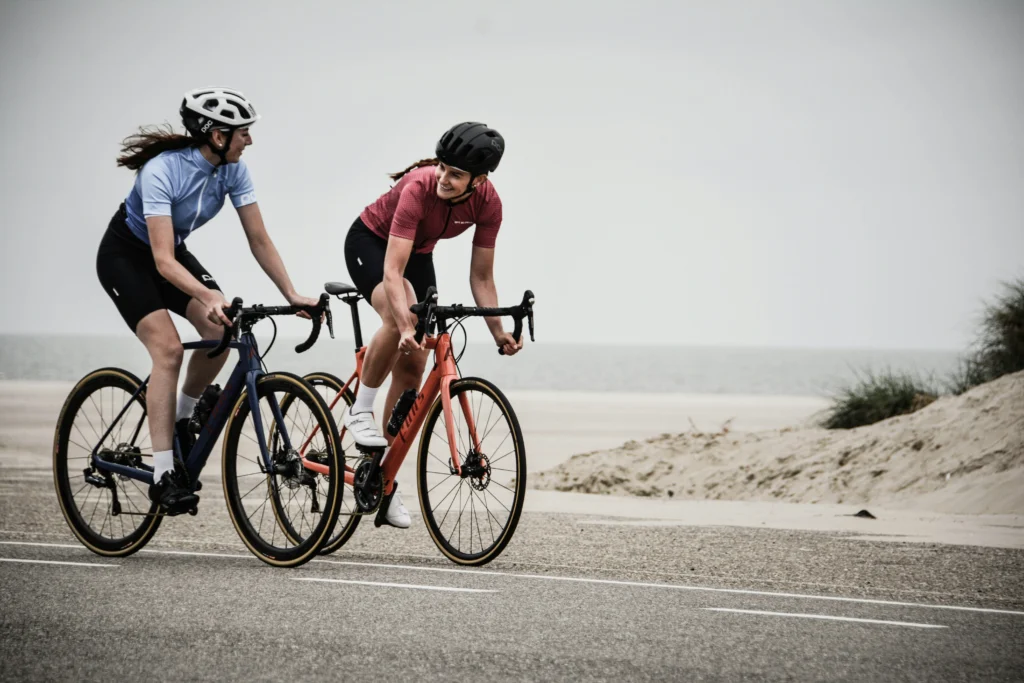
Quick answer: what is a triathlon?
A triathlon is a continuous race where athletes swim, bike, and run in that order. The clock keeps running while athletes move through transition from one sport to the next.
Most beginners start with a Try a Tri, super sprint, or sprint triathlon, although your Author started with an Olympic distance. These races are short enough to learn the sport, but still give you the real swim, bike, and run experience.
- Race order: swim first, bike second, run last.
- Transition: the area where you change from swim to bike, then bike to run.
- Best first step: a local beginner race with clear course maps and a helpful athlete guide.
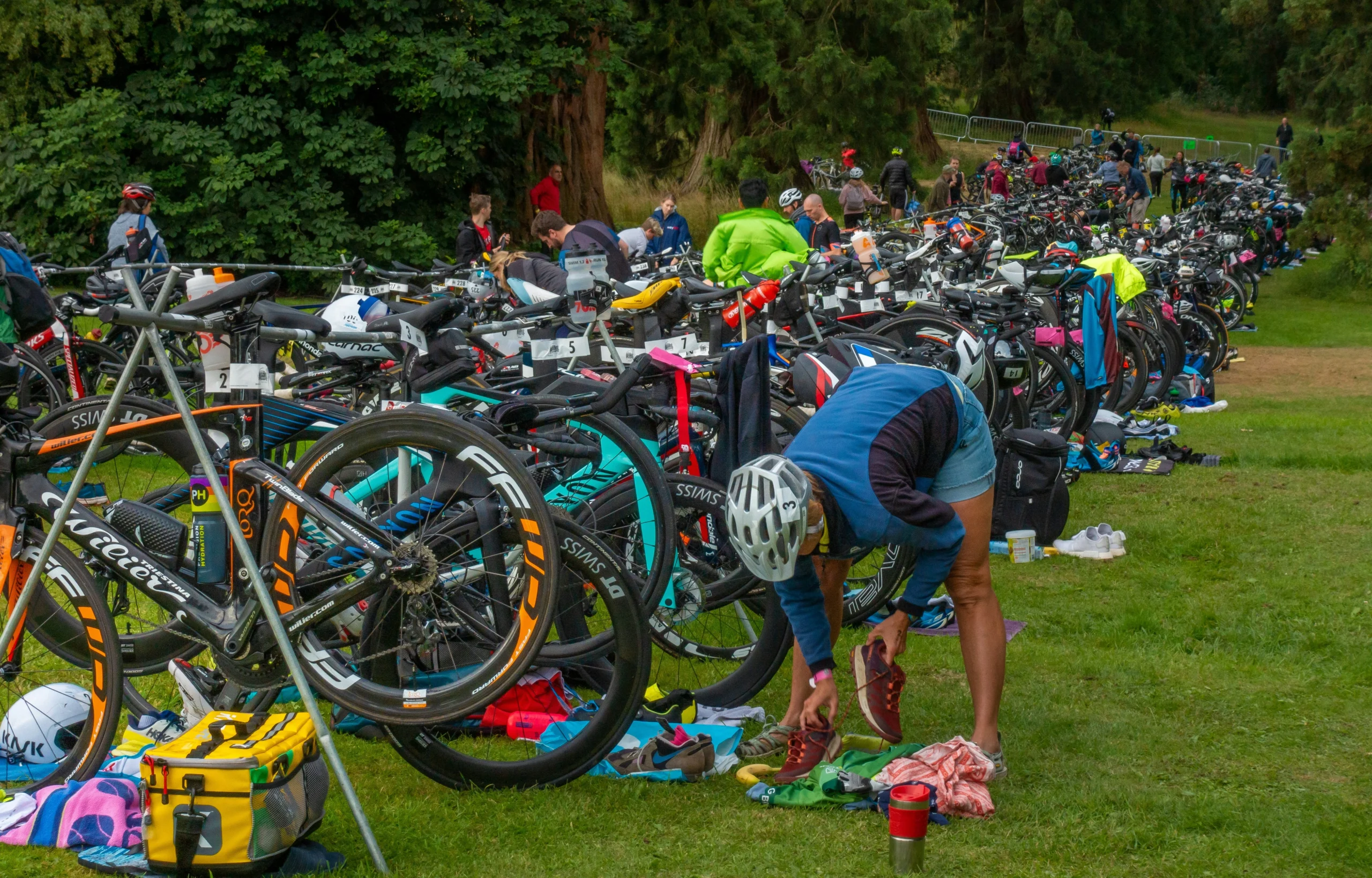
From the outside, triathlon can look like a lot. Bikes are lined up on racks. People are wearing swim caps. Someone is asking where the mount line is. Someone else is trying to find their timing chip.
Under all of that, the race is simple.
You swim. You get out of the water. You ride your bike. You put the bike away. You run to the finish.
The trick is learning the flow before race morning, ie; practice at home. This way you know where your gear goes and what comes next, the sport feels much less intimidating.
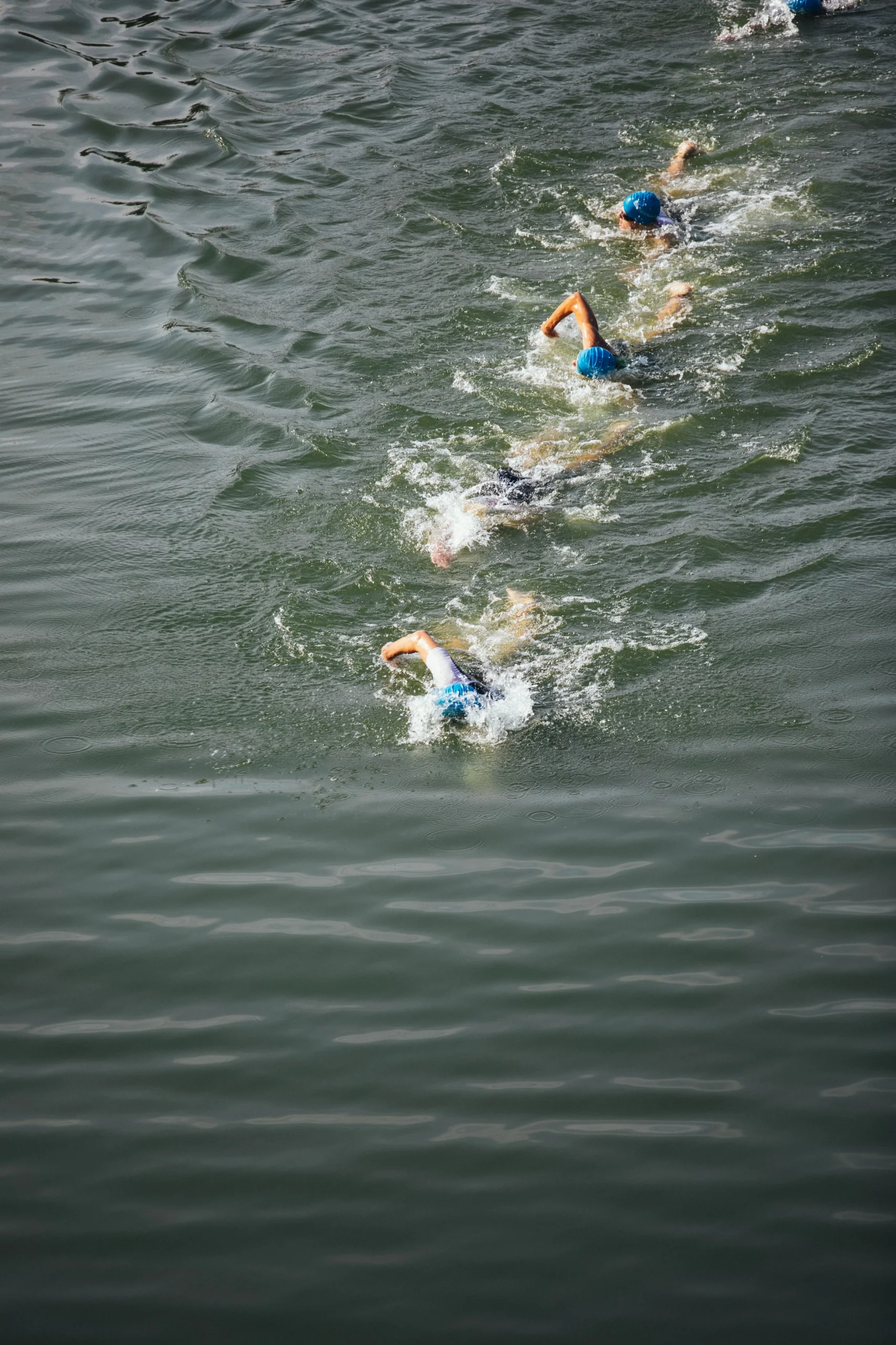
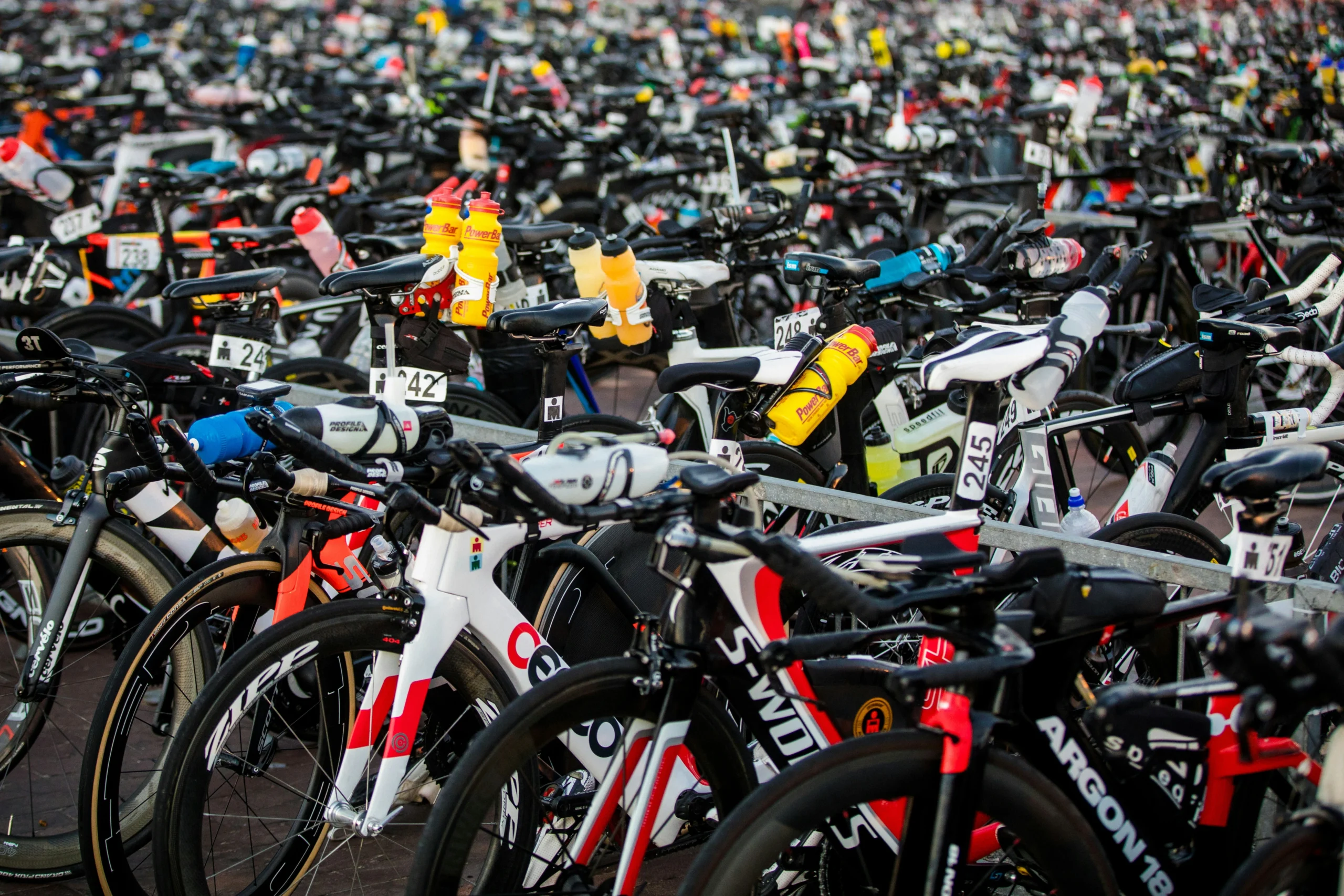
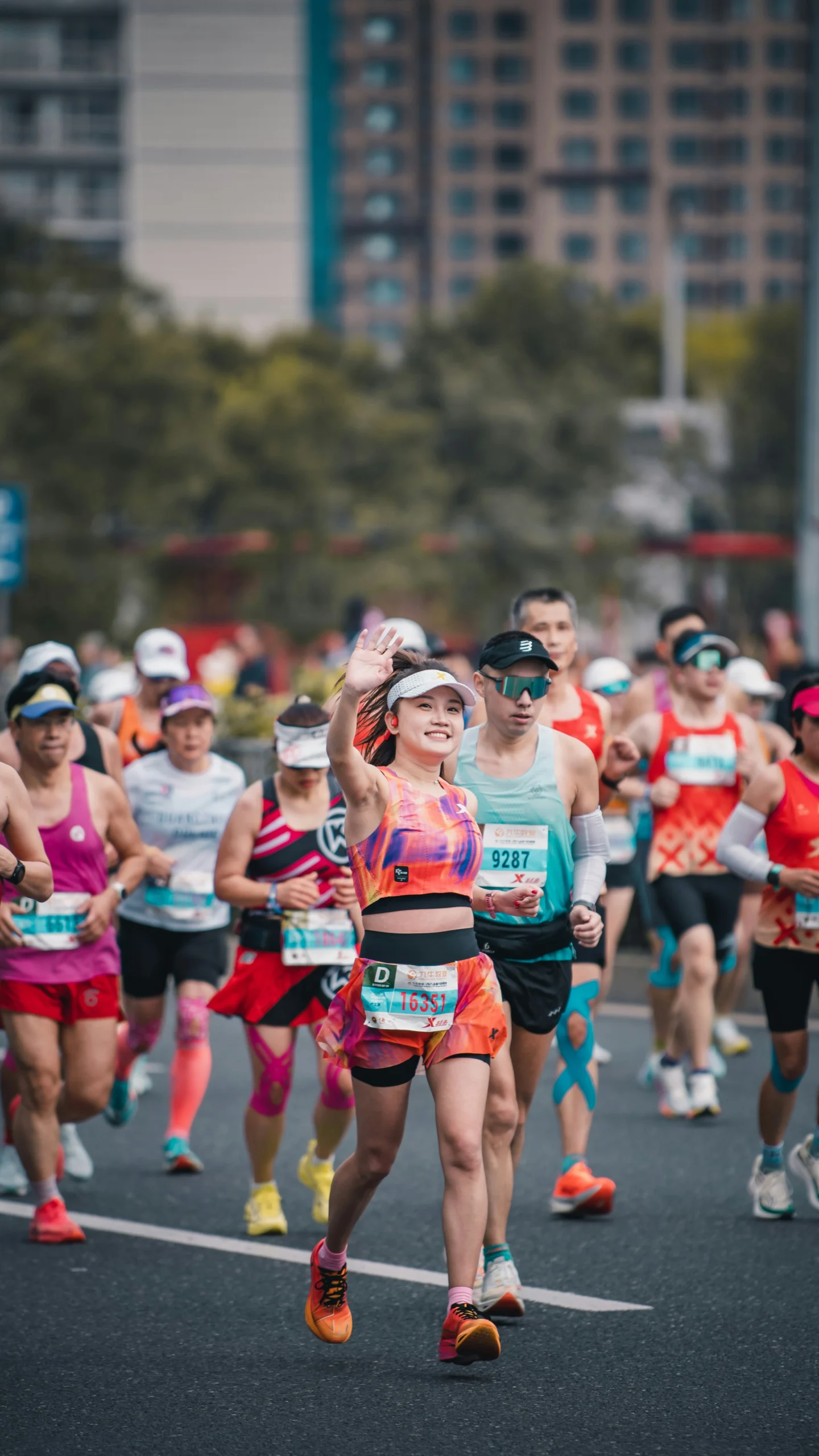
How a triathlon works
Most triathlons follow the same basic order. The distances change. The course changes. The race site changes. But the flow is usually the same.
- Swim: The race starts in a pool, lake, river, ocean, or other approved swim area.
- T1: You leave the swim, go to your bike spot, put on your helmet, and take your bike to the mount line.
- Bike: You ride the marked bike course. Many beginner age group races do not allow drafting.
- T2: You dismount before the line, rack your bike, remove your helmet after the bike is racked, and start the run.
- Run: You finish the race on foot. Your legs may feel odd at first because you have already biked.
Coach note Do not think of transition as a panic zone. Think of it as your small work station. You go in, do the next job, and leave.
Transition is easier when you know where to enter, where to exit, and where your bike is racked.
Common triathlon distances
Triathlon distances are not always exact from race to race. Course permits, roads, water access, and event style can change the final numbers.
For a first race, look at the swim distance first. That is often the part beginners feel least sure about.
| Race type | Swim | Bike | Run | How it usually feels |
|---|---|---|---|---|
| Try a Tri or super sprint | About 250 to 500 m | About 6.5 to 13 km | About 1.7 to 3.5 km | A good first taste if the swim worries you. |
| Sprint | Up to 750 m | Up to 20 km | Up to 5 km | A common beginner race with the full triathlon feel. |
| Standard or Olympic | About 1500 m | About 40 km | About 10 km | A bigger step that usually needs more steady training. |
| Middle or half distance | Often around 1.9 to 2.5 km | Often around 80 to 90 km | Often around 20 to 21.1 km | A long race that is better after you know you enjoy triathlon. |
| Long distance | Often around 4 km | Often around 120 km | Often around 30 km | A major endurance goal, not a casual first step for most people. |
| Full distance or IRONMAN style | Often around 3.8 km | Often around 180 km | Often around 42.2 km | A very long day that takes careful preparation. |
Exact distances can vary by event. Long course distances also vary by race brand and governing body. Always check the race website and athlete guide before signing up.
Coach note A sprint triathlon may look short on paper, but it still asks you to manage three sports, two transitions, and race nerves. Respect the distance without being scared of it.
Which distance should a beginner choose?
A local Try a Tri, super sprint, or sprint race is usually the best place to start. It keeps the day manageable while still teaching you how triathlon works.
Choose a race based on your weakest part, not your strongest part. If you can run 5 km but feel nervous in open water, a shorter swim or pool swim may be the better choice.
Choose a Try a Tri if
You are curious, nervous about the swim, or want a lower pressure first race.
Choose a sprint if
You can train a few times each week and want the classic beginner triathlon experience.
Wait on long races if
You are still learning to swim, unsure on the bike, or short on training time.
Basic triathlon rules beginners should know
Rules can change by race, country, distance, and event organizer. Read the athlete guide for your own race. That guide matters more than any general article.
| Rule area | What to know | Beginner tip |
|---|---|---|
| Helmet | Your helmet usually needs to be fastened before you touch or move your bike. | Put your helmet on first in T1. Take it off only after your bike is racked in T2. |
| Transition | You usually cannot ride your bike inside transition. | Walk or jog your bike to the mount line before getting on. |
| Drafting | Many beginner age group races do not allow you to ride close behind another cyclist. | Leave space unless you are passing. Check your race rules for the exact distance. |
| Headphones | Many races do not allow headphones or listening devices. | Do not pack them unless the athlete guide clearly says they are allowed. |
| Outside help | Family and friends usually cannot give you gear, food, repairs, or pacing help during the race. | Use official aid and race volunteers. Keep your own gear with you. |
| Race number | Your bib often needs to face the front on the run. | A race belt can make this easier, but pins can also work. |
Coach note Rules are easier to follow when you are not rushed. Slow down in transition, listen to volunteers, and ask questions before the race starts.
What to expect on race day
Race morning usually feels more crowded than a normal workout. That does not mean you are unprepared. It is just a busy event with a lot of moving parts.
Before the start
You may park, check in, get body marking, pick up your timing chip, set up transition, use the bathroom, and attend a race briefing. Give yourself more time than you think you need.
During the swim
The swim can feel crowded at first. If you are nervous, start toward the side or back if the race setup allows it. Swim at a pace that lets you breathe calmly.
During the bike and run
Ride predictably, keep your head up, and save enough energy for the run. Your legs may feel odd for the first few minutes after the bike. Start easy, then settle in.
What gear do you need?
Triathlon can get expensive, but your first race does not need to start with a huge shopping list. Start with safe, working gear. Upgrade later if you enjoy the sport.
Swim
Goggles, swimwear or a tri suit, wetsuit, and the swim cap given by the race if one is provided.
Bike
A safe (fast) bike, approved helmet, water bottle, and shoes you can ride in comfortably.
Run
Running shoes, socks, running hat, race belt or pins, and weather-appropriate running gear.
Do you need a tri suit?
No, not always. A tri suit can make the day simpler because you can swim, bike, and run in one outfit. For a short beginner race, other setups may work if they follow the race rules and feel comfortable in training. I raced for two years without a tri suit, and even when I went up to Ironman distance, did not wear a tri suit. In Ironman races they actually have change-areas where you can put on fresh gear in T1/T2.
Do you need a time-trial (tt) bike?
No, not for many beginner races. A road bike, hybrid bike, mountain bike, or commuter bike may work if the race allows it and the bike is safe. Have the brakes, tires, chain, and gears checked before race week.
Coach note Do not buy new gear the night before the race. Anything that touches your skin, feet, eyes, or bike should be tested before race day.
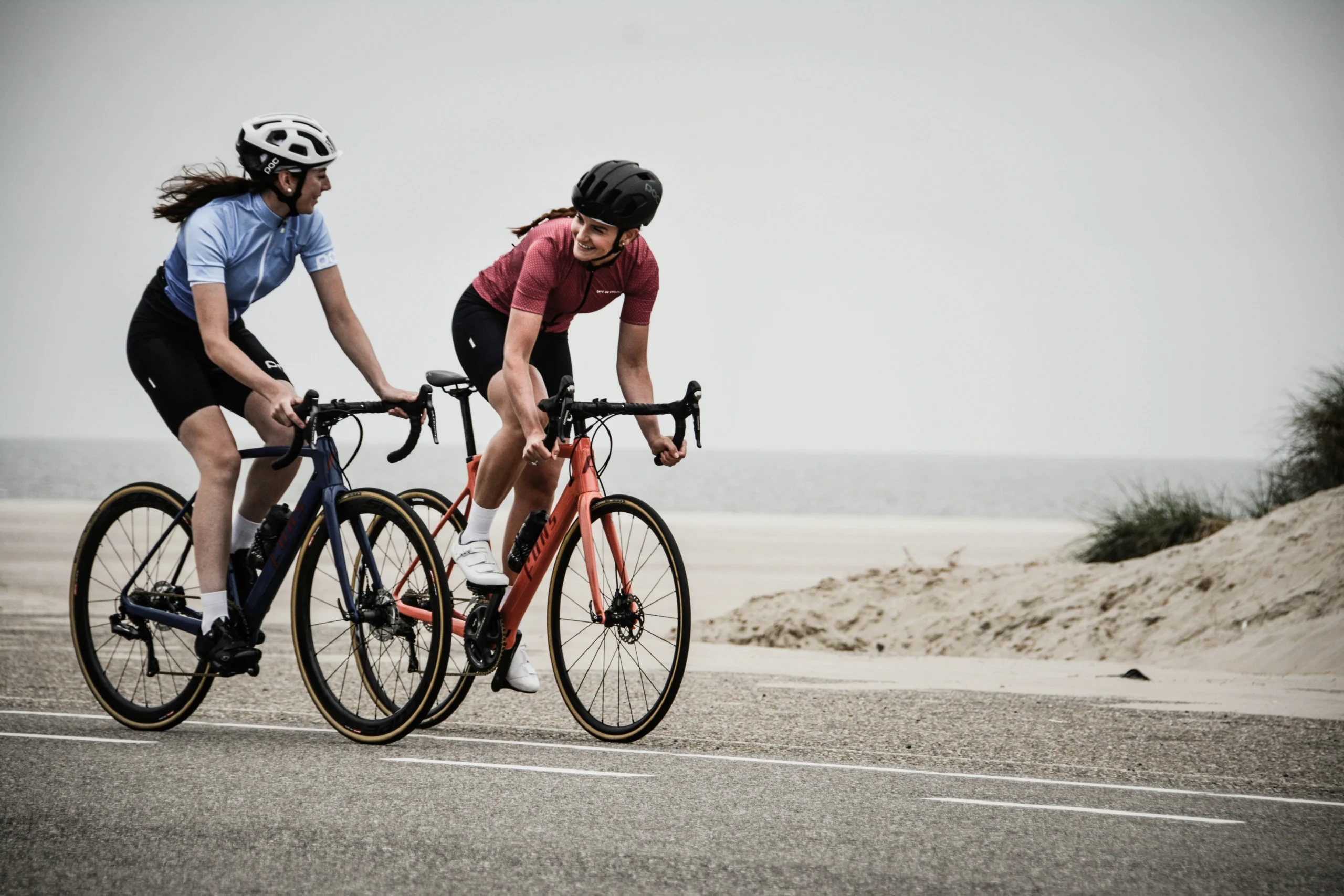
Simple first triathlon checklist
This is not every item every athlete could bring. It is a good starting point for a short beginner race.
| Race area | Pack this | Small detail that helps |
|---|---|---|
| Swim | Goggles, spare goggles, swimwear or tri suit, towel, wetsuit if needed | Check your goggles at home. A leaky pair can make the swim stressful. |
| Bike | Bike, helmet, water bottle, bike shoes or running shoes, flat and tool kit if you carry one | Put your bike in an easy gear before the race starts. |
| Run | Running shoes, socks, hat, sunglasses, race belt or pins | Use elastic laces so you don’t need to tie your shoes in T1. |
| Admin | Photo ID if required, race number, timing chip, athlete guide, parking details | Read the athlete guide before you pack. |
| Comfort | Warm layer, dry clothes, sunscreen, water, simple snacks | Use food and drink you have already tested. |
Keep the setup simple. Too much gear makes it harder to find what you need.
Common beginner mistakes
Most first race mistakes are small. They happen when people rush, choose too much distance, or try something new too late.
Choosing too much distance
A shorter race is not a failure. It is often the best way to learn the sport.
Skipping the athlete guide
The guide tells you start times, parking, wave details, course rules, and transition flow.
Starting the swim too fast
The first minute will be hectic, after that, you should settle in and feel calm. A steady start is better than fighting for space.
Making transition too messy
Keep your gear simple. If you bring too much, it becomes harder to find what you need.
Riding too hard
The bike is not the finish line. Save enough energy to run.
Trying new food or gear
Race day is not the test day. Practise with your gear and food first.
Beginner tips before you sign up
Watch a race first if you can
If you live near a local triathlon, go watch. Look at transition. Watch how athletes move from swim to bike and bike to run. It makes the sport feel much more normal.
Pick a race with clear beginner information
A good first race should have course maps, parking notes, start times, transition details, and a race guide that explains what to do.
Practice the awkward parts
Do not only practice swimming, biking, and running. Practice putting socks on with wet feet. Practice jogging your bike. Practice running for a few minutes after a short ride. I even used to practice changing a flat tire quickly. This came in handy, as I have had to change a flat mid-race before.
Keep the first goal simple
A good first goal is to finish, follow the rules, and learn what kind of race you want to do next.
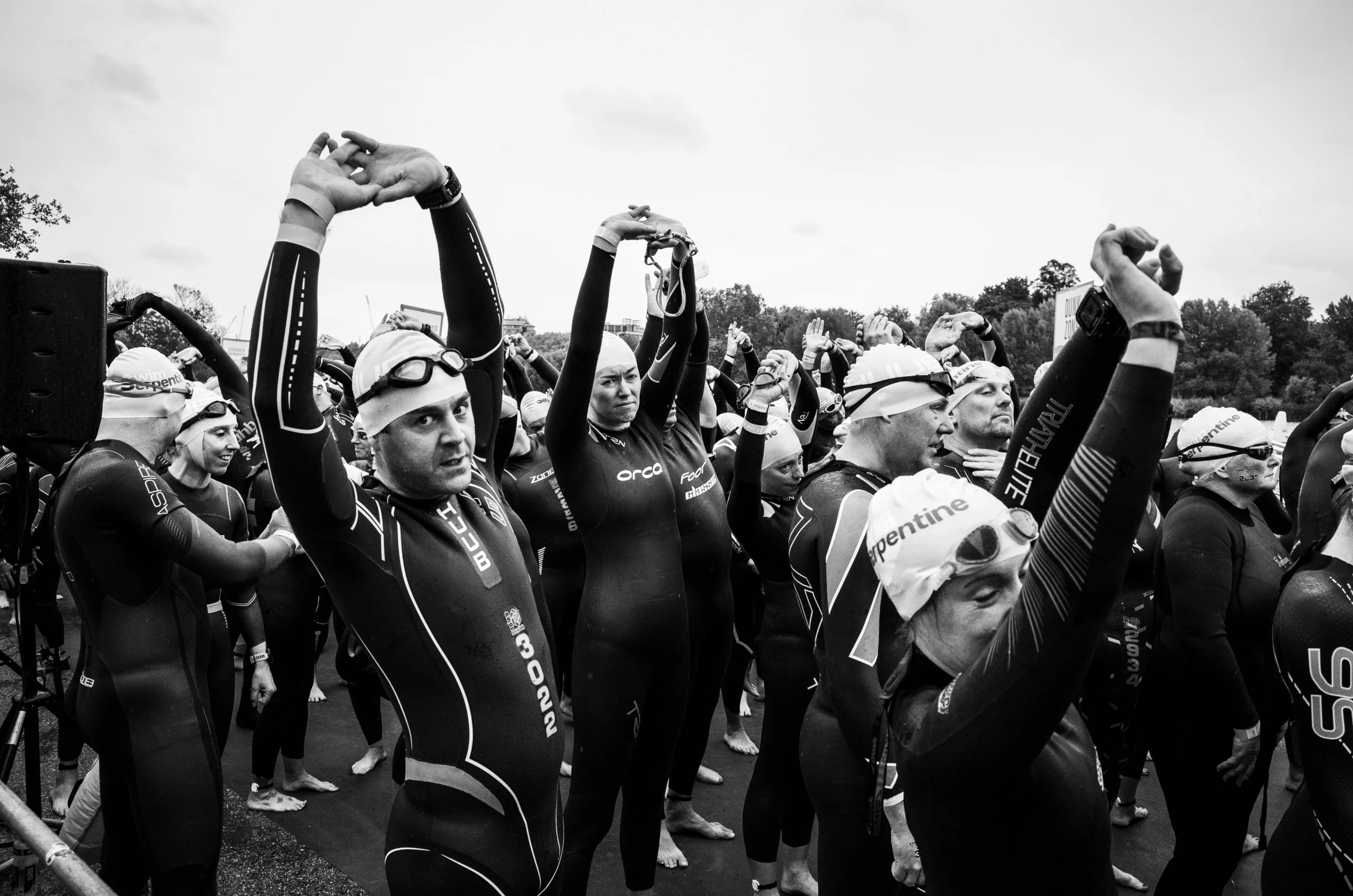
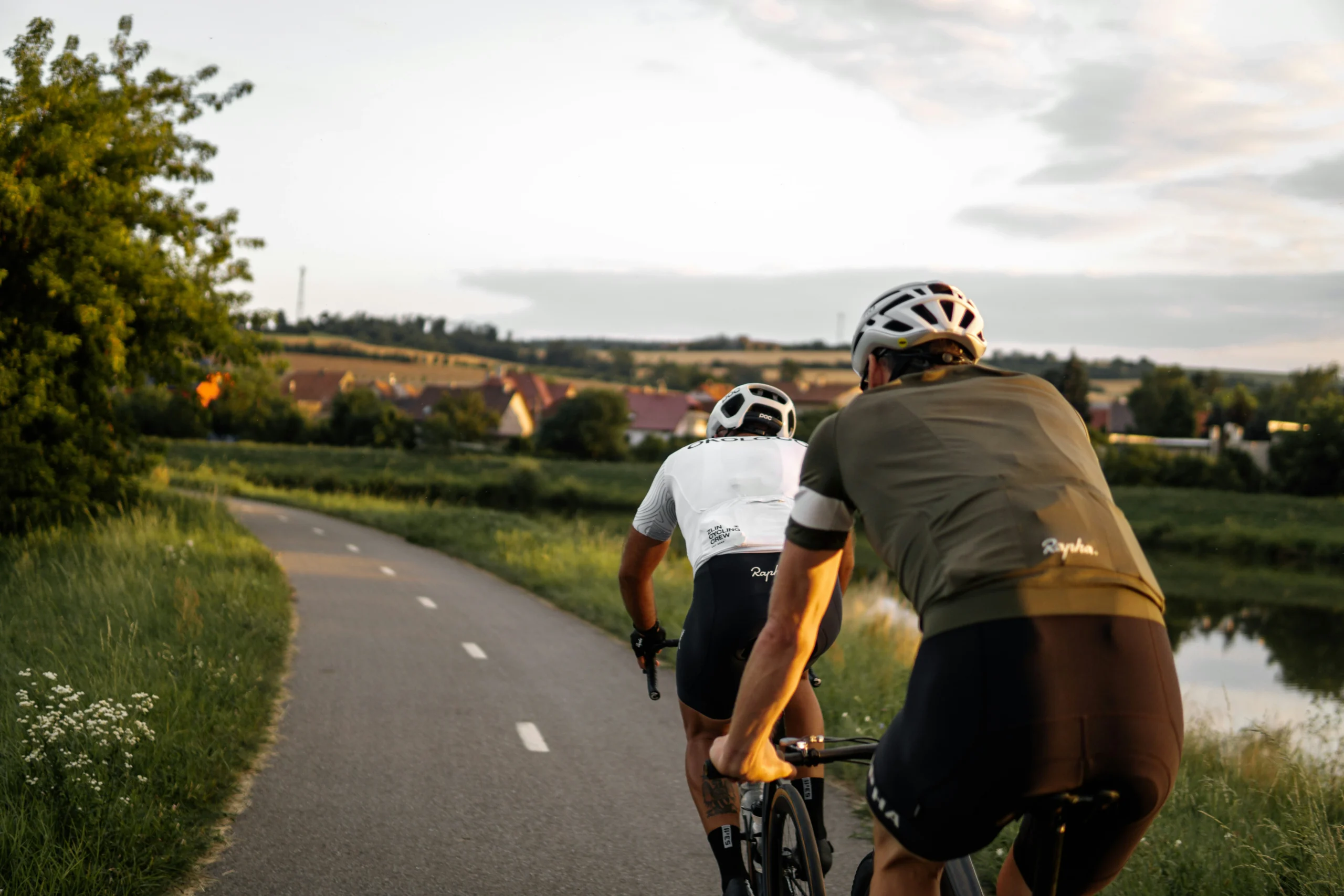
What is a triathlon FAQ
What does a triathlon include?
A triathlon includes a swim, bike, and run in that order. Most races also include two transitions. T1 is swim to bike. T2 is bike to run.
What is the shortest triathlon distance?
A Try a Tri or super sprint is usually the shortest adult beginner option. Distances vary by race, but these events are often built for people who want to try the sport without taking on a long course.
What is a sprint triathlon?
A sprint triathlon is a short triathlon distance. It is often up to a 750 m swim, 20 km bike, and 5 km run. It is one of the most common first race choices.
Do you swim first in a triathlon?
Yes. In a standard triathlon, the swim comes first, then the bike, then the run. Other multisport races use a different order, such as duathlon, which is usually run, bike, run.
Can beginners do a triathlon?
Yes, many beginners start with a local Try a Tri, super sprint, or sprint race. The best choice depends on your swim comfort, bike handling, running level, and training time.
Do I need an expensive bike for a triathlon?
No. Many beginner races allow road bikes, hybrid bikes, mountain bikes, or commuter bikes if they are safe and meet the event rules. Check the athlete guide before race day.
What is transition in triathlon?
Transition is the area where your bike and race gear sit. You use it to switch from swim to bike and from bike to run. Transition time usually counts toward your total race time.
Are headphones allowed in a triathlon?
Many races do not allow headphones or listening devices. Check your athlete guide. If the guide is not clear, do not assume they are allowed.
Start with the race you can actually prepare for
A triathlon is easier to understand once you see the pieces in order. Pick a short beginner race, read the athlete guide, practise the transitions, and keep the first goal simple.